September 21, 2026
Would your organisation cope if you were away for a month?
What about one of your senior people? Or the person who “owns” your biggest client relationship?
If the honest answer is “not really”, you may be dealing with key person dependency.
It’s easy to mistake dependency for success. After all, being the person everyone turns to feels like recognition. It suggests trust, capability and commitment.
But there is a difference between being valuable and being indispensable.
One strengthens an organisation.
The other can quietly make it fragile.
How indispensability starts
Most founders don’t set out to make their business dependent on them.
In the early days, it’s often necessary. You answer every question because there are only three people in the business. You handle the difficult clients because you know the history. You make the decisions because there is nobody else to make them.
You say yes, solve problems, keep promises and make things happen.
That’s how many businesses get off the ground.
The problem comes when the organisation grows, but the founder’s role doesn’t change with it. The same person remains the final decision-maker, the safe pair of hands and the keeper of all the important context.
Eventually, the business develops a single point of failure.
Then, as the company expands, the pattern spreads.
Senior people become indispensable to their own teams. Sales people become indispensable to their clients. Technical specialists become the only people who understand particular systems. Managers become the only people who can resolve certain problems.
The business has not created resilience. It has created several smaller versions of the founder.

Your team copies what you do
Leaders often tell me they want their people to take ownership.
They want initiative, confidence and independent thinking.
But teams pay more attention to what leaders do than what they say.
If you answer emails late at night, people learn that constant availability is part of commitment.
If every important decision comes back to you, people learn that waiting for approval is safer than using their judgement.
If you rescue every difficult situation, people learn that problems ultimately belong to you.
Nobody needs to announce these rules. They simply become “the way we do things round here”.
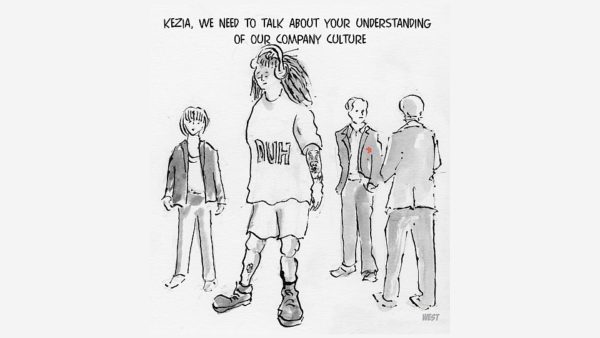
This is how key person dependency becomes part of the culture.
The people who carry the heaviest loads are praised. The people who save every client relationship are rewarded. The people who know every answer are promoted.
What you repeatedly reward expands.
Before long, being overloaded looks like professionalism. Being unavailable looks like a risk. Delegation feels dangerous. And everyone is running on empty.
Strong client relationships are not the same as client dependency
There is nothing wrong with a strong client relationship.
Clients should trust the people they work with. They should feel understood, supported and confident that their needs matter.
That is good business.
But clients should also trust the organisation behind those individuals.
There is an important difference between:
- A client appreciating a particular person’s expertise.
- A client refusing to work with anyone else.
- A client knowing their usual contact, while also having confidence in the wider team.
- A client relationship existing almost entirely inside one person’s head.
The first and third examples are healthy. The second and fourth create risk.
When every conversation, decision and promise sits with one individual, the relationship becomes personal property. That may feel protective, but it actually leaves the client exposed.
What happens if that person is ill? What happens when they take a holiday, move into a new role or leave the business?
Nobody can remain permanently available. Not even your most committed senior person (and they may be rather tired of trying).
Clients deserve continuity. Your team deserves the opportunity to build trust. Your business needs relationships that belong to the organisation, not just to one individual.
The identity trap
For many founders and senior leaders, this is not simply an operational issue. It is personal.
You may have built your identity around being:
- The problem solver.
- The person who knows what to do.
- The one who keeps calm when everyone else is worried.
- The safe pair of hands.
- The person clients ask for by name.
Those qualities may have helped you build the business. They are worth recognising.
But they can also become a trap.
If your sense of value depends on being needed, stepping back may feel uncomfortable. You may tell yourself that other people are not quite ready. You may worry that standards will fall. You may find yourself checking, correcting and quietly taking work back.
This is understandable. It is also how the dependency continues.
Every stage of growth asks something different of a leader. The behaviours that helped create the business are not always the behaviours that will help it mature.
At some point, your value stops coming from solving more problems yourself.
It comes from creating an organisation that can solve problems well without you.
That shift can feel like a loss before it feels like progress. You are not becoming less important. You are changing the way your importance shows up.
What is the organisation really rewarding?
A useful question is: what behaviour receives the most praise here?
Is it the person who stays late to rescue a project?
The manager who answers every question?
The founder who is still involved in every client conversation?
The senior salesperson who refuses to share a relationship because nobody else “gets” the client?
If these are the people who receive the most recognition, don’t be surprised when others copy them.
It is difficult to build a collaborative culture while rewarding personal ownership. It is difficult to create empowered managers while celebrating constant rescue missions.
There is often a gap between the culture leaders say they want and the behaviour the organisation actually rewards.
That gap is where dependency grows.
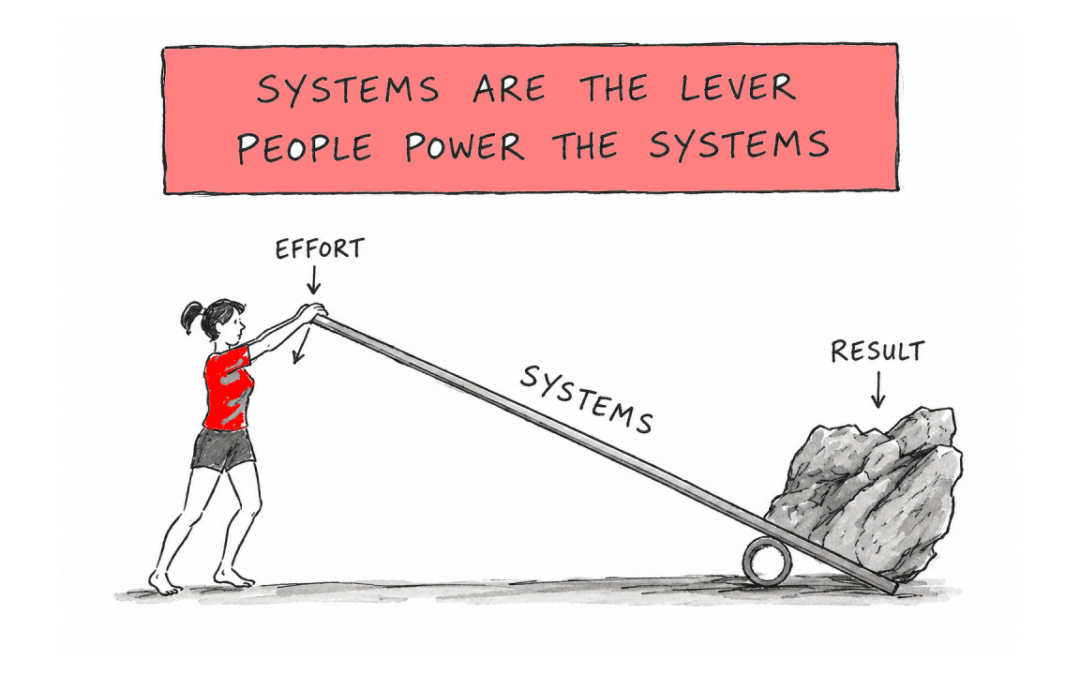
Moving from individual heroics to organisational resilience
Reducing key person dependency does not mean weakening standards or making relationships less personal.
It means making the organisation stronger around the people who already make it successful.
Start with a few practical changes.
Give clients more than one trusted contact
Introduce clients to other members of the team before there is a crisis.
Let colleagues join important meetings. Share responsibility for communication. Make sure the client understands who can help with what.
This should feel natural, not like an emergency handover.
Share knowledge deliberately
Important knowledge should not live in one person’s memory, inbox or notebook.
Document decisions, client preferences, processes and areas of expertise. Make information easy to find and straightforward to use.
This is not about creating a mountain of bureaucracy. It is about making sure people do not have to rediscover the same answer every time.
Give people real authority
Delegation is not simply handing someone a task and asking them to report back.
It means giving them enough context, responsibility and decision-making authority to do the work properly.
If people are accountable for outcomes but need permission for every step, you have not created ownership. You have created dependency with extra administration.
Coach instead of rescuing
When someone brings you a problem, resist the urge to solve it immediately.
Ask what they think. Explore the options. Help them understand the consequences. Then let them make the decision where it is appropriate.
They may not choose exactly as you would. That is part of the process.
People build confidence by making decisions, not by watching leaders make all of them.
Reward capability-building
Notice the people who develop others, share knowledge and create calm, capable teams.
Celebrate the manager whose team can operate confidently in their absence. Recognise the senior person who introduces a colleague to a client and builds trust across the organisation.
That is leadership too. In fact, it is often the leadership that matters most as a business grows.
Less dependence, more trust
The strongest organisations are not built around one heroic individual.
They are built around clear roles, shared knowledge, good judgement and relationships that can withstand change.
This does not happen by accident. It requires leaders to notice where dependency has formed and to listen to their instincts when something feels too fragile.
If one person is always in the middle, ask why.
If every decision travels upwards, ask what that is teaching people.
If a client would leave tomorrow because one relationship holder left today, ask what needs to change.
You do not have to dismantle everything at once. Start small. Bring another person into the conversation. Share one decision. Document one process. Let someone else lead the meeting.
Then do it again.
The crucial question is this:
If everyone copied the way I work, would this organisation become stronger… or just more exhausted?
Your answer may tell you exactly where to begin.