September 21, 2026
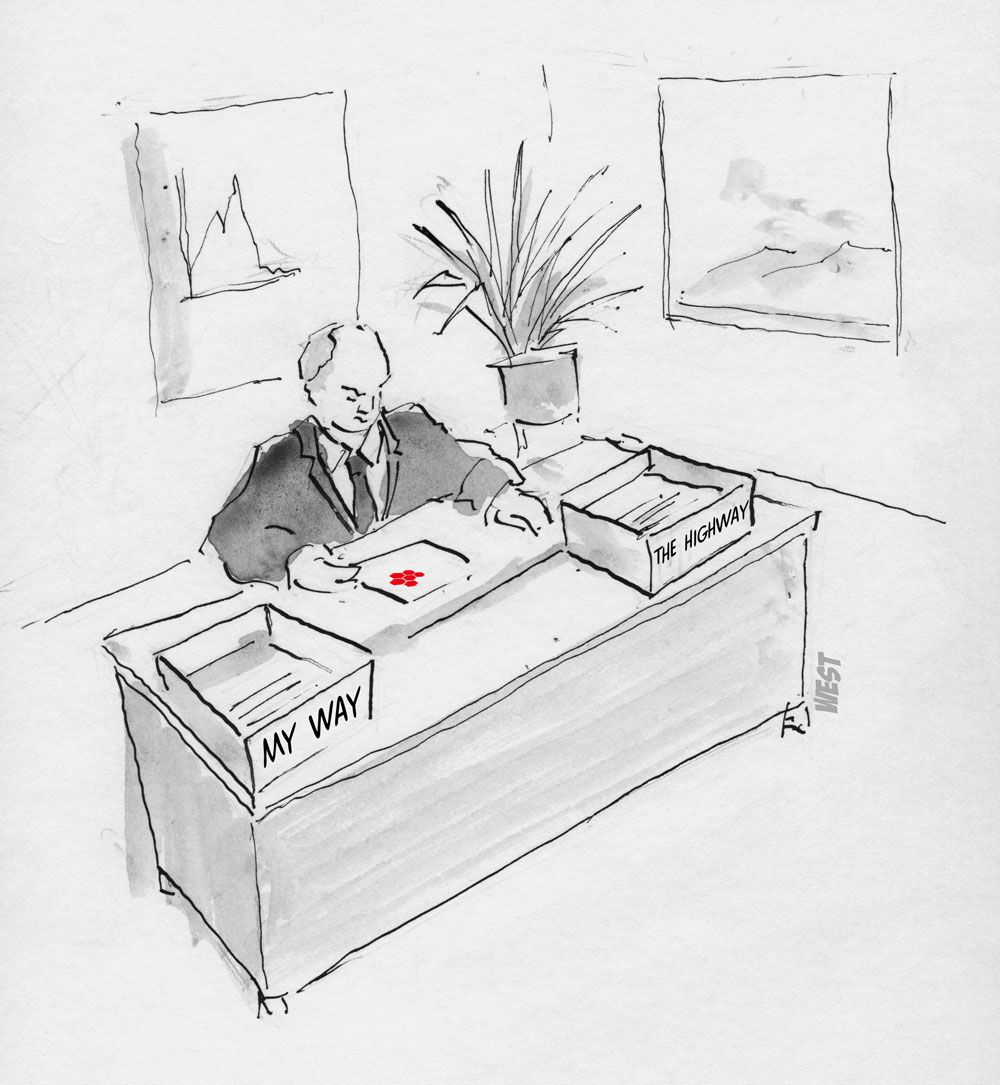
Why don’t people simply do what you ask anymore? Why do perfectly reasonable instructions come back with questions, alternatives and the occasional raised eyebrow?
And why, when you have been clear, at least in your own mind, does everyone still seem to interpret things differently?
If you are the founder, managing director or most experienced person in the room, this can feel like a loss of control. You have the authority. You have the responsibility. You may even have the battle scars to prove you know what you are talking about!
But here is the uncomfortable bit: authority can direct activity, but it cannot command commitment.
That is the central weakness of command and control leadership.
You can tell people what to do. You can set deadlines, allocate work and make decisions. But you cannot order somebody to care, think creatively, take ownership or use their judgement well.
And modern organisations need all of those things.
What is command and control leadership?
Command and control leadership is a top-down approach built around hierarchy, instruction and close oversight.
The leader decides. Everyone else follows.
It can be useful in particular situations. When there is an immediate safety issue, a serious crisis or no time for discussion, people need clear direction. Nobody wants a committee meeting while the building is on fire!
The problem comes when command and control becomes the default way of leading.
In a small business, it may appear to work for a while. Everyone is close to the founder. Decisions are made quickly. People know what the owner wants, often without needing much explanation.
But as the organisation grows, the cracks begin to show.
There are more people, more specialisms, more customers, more competing priorities and more decisions being made when you are not in the room. You are no longer achieving results by doing everything yourself. You are achieving them through other people.
That requires a different kind of leadership.
Authority is not the same as influence
Your position gives you authority.
You may decide:
- who does what
- where people focus their time
- which priorities come first
- what standards need to be met
- how resources are allocated
That matters. Leadership is not about pretending the leader has no responsibility for direction or decisions.
But authority is only one source of power. It may get someone to begin a task, but it does not necessarily make them committed to the outcome.
Influence works differently.
Influence is built through clarity, credibility, consistency and trust. People follow your direction because they understand it, believe in it and can see that you are willing to live by the standards you set for everyone else.
This is where people buy from people, and people work for people, too. They may respect your role, but they commit to your leadership because of the relationship they have with you and the meaning they attach to the work.
That distinction matters.
Compliance says, “I’ll do this because I have to.”
Commitment says, “I understand why this matters, and I’m going to help make it work.”

Six reasons people do not simply follow instructions
When a leader asks, “Why won’t people just do what I say?”, it is tempting to assume the problem is attitude.
Sometimes, of course, there may be a performance issue. But often people are responding rationally to a complex organisation, unclear expectations or changing circumstances.
Here are six common reasons.
1. They are using their own judgement
Most people are not employed simply to carry out instructions mechanically.
They bring experience, expertise and a view of what is happening on the ground. When they take a different approach, it may be because:
- they can see a risk you have missed
- they have information you do not have
- they believe there is a more effective way
- the original instruction no longer fits the situation
That is not necessarily disobedience. It may be initiative.
If you want people to think, you cannot then punish them every time their thinking differs from yours.
2. Your priorities are not as clear as you think
Leaders often believe they have communicated the priority because they mentioned it in a meeting, an email or a passing conversation.
Meanwhile, the team is juggling several urgent requests from several different directions.
Which one comes first?
If everything is important, nothing is properly prioritised. People then make their own decisions about what deserves attention. Not because they are ignoring you, but because they have to keep moving.
Clear leadership means making trade-offs visible.
What matters most? What can wait? What should stop? What does success look like?
You cannot expect alignment if people are left to guess.
3. They do not fully understand what you mean
You may have been thinking about a decision for six months. Your team may have heard about it for six minutes.
That creates a gap.
You understand the background, the commercial pressures and the reasons behind the change. They may only have heard, “We are restructuring slightly.”
That is when people fill in the blanks using their own assumptions.
Some need to understand the opportunity. Others need to see the risks and safeguards. Some want the big picture, while others need to know what happens next Tuesday at 9am.
Clarity is not about saying the same thing more loudly. It is about helping people understand what they need in order to act confidently.
4. The context has changed
An instruction that made perfect sense last week may no longer make sense today.
Customers change their minds. Suppliers let you down. New information appears. A competitor makes an unexpected move. A problem emerges that nobody could have predicted.
If people rigidly follow an old instruction when circumstances have changed, you may criticise them for lacking judgement. If they adapt, you may accuse them of not doing what they were told.
That is a difficult position to put people in.
Instead, be clear about the outcome you need and the boundaries that matter. Then allow people to adjust their approach when reality changes.
Good leadership is not about preserving yesterday’s plan at all costs. It is about keeping everyone aligned with the purpose while remaining awake to what is happening around you.
5. People have different backgrounds and expectations
Not everyone interprets authority in the same way.
Some people expect direct instruction. Others want to understand the thinking and have a voice in the decision. Some will challenge openly. Others may disagree quietly and carry on as best they can.
People also differ in their confidence, experience, cultural expectations and previous working environments.
If you treat every person in exactly the same way, you may think you are being fair. In practice, you may simply be communicating in a way that works for some and excludes others.
This is not about lowering standards or trying to keep everybody happy. It is about becoming more aware of how people receive information, respond to challenge and build confidence.
You can be consistent in your expectations without being identical in your approach.
6. The organisation itself is unclear
This is the reason leaders often miss.
If roles overlap, accountabilities are blurred and reporting lines are confusing, people may appear not to listen. But they may actually be navigating a system that does not hang together.
Who owns the decision?
Who has the final say?
Who is accountable for the result?
What happens when two priorities conflict?
When the organisation cannot answer those questions, telling people to “communicate better” will only take you so far.
This is not simply a people problem. It is an organisational problem.
And tightening control usually makes it worse. People stop taking ownership, wait for approval and become even more dependent on the leader. You end up as the bottleneck. The very thing you were trying to avoid.
Four leadership shifts that make a difference
Command and control leadership is not replaced by doing nothing. It is replaced by leading more deliberately.
From telling to clarifying
Your role is not to provide an endless stream of instructions.
It is to clarify:
- what people are accountable for
- what good looks like
- which decisions they can make
- how their role connects to other roles
- when they should bring an issue back to you
The clearer the context, the less you need to manage every detail.
From control to alignment
Control tries to make people behave in the same way.
Alignment makes sure people understand the same direction.
That means bringing priorities, expectations and ways of working together so people can make sound decisions without constantly asking, “What would the boss do?”
There is still structure. There are still standards. But you are creating a framework people can work within rather than a cage they cannot move outside.
From authority to influence
Authority comes with your title.
Influence is something you earn.
You build it by being clear, keeping your word, listening properly and applying standards fairly. You also build it by admitting when you have got something wrong (a surprisingly powerful leadership move).
People are more likely to follow a leader who is credible than one who simply insists on being obeyed.
From uniformity to awareness
You do not need everybody to think alike.
In fact, you should be cautious if they do.
A strong organisation needs people who can see different risks, opportunities and possibilities. Your job is to create enough shared understanding that those differences become useful rather than chaotic.
The aim is not uniformity. It is awareness.
Awareness of yourself, your people, your assumptions and the system you have created.
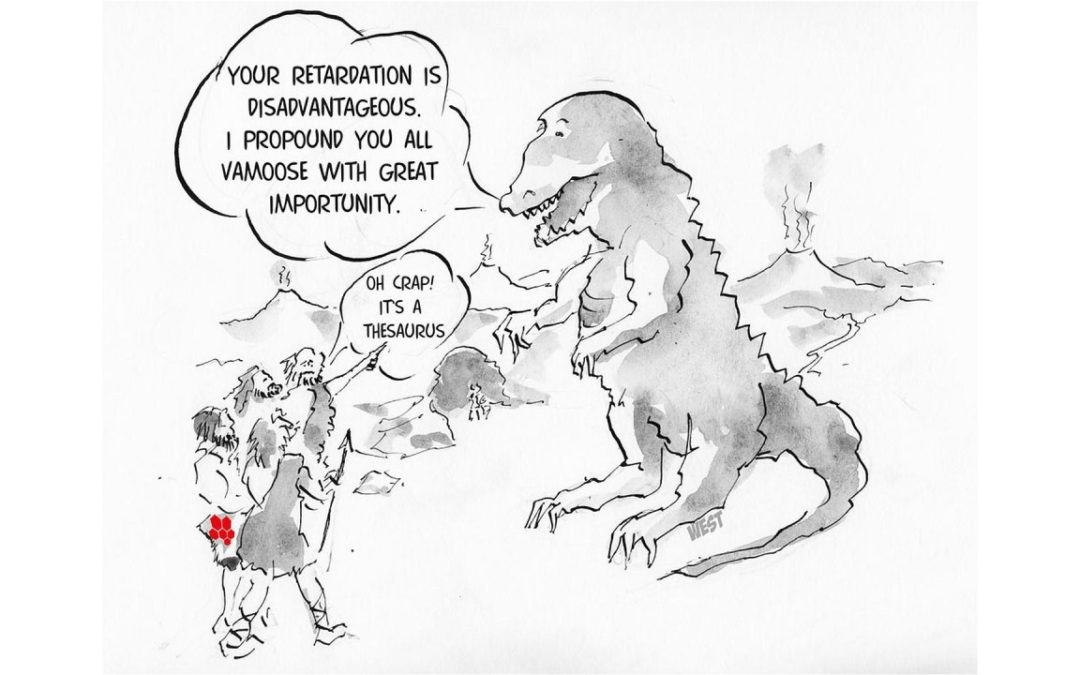
So, are dinosaurs really dead?
The dinosaur idea is not about mocking leaders who have used command and control leadership. Many of us learned to lead that way. It was modelled for us, rewarded in certain environments and sometimes genuinely useful.
But the belief that leadership is mainly about giving instructions and expecting unquestioning compliance belongs to a different era.
Today, people are being asked to solve problems, work across boundaries, make decisions and respond to change. You cannot expect them to do that well if you treat them as pairs of hands waiting for orders.
The more useful question is not:
“Why won’t people do what I say?”
It is:
“What is making it difficult for people to act with clarity, confidence and commitment?”
That question opens a door.
It shifts your attention from blame to understanding, from control to alignment and from frustration to practical action.
And what we pay attention to tends to grow. Whether you call it mindset, the law of attraction or simply good leadership discipline, the principle is the same: look for the conditions that create ownership, and you are more likely to create an organisation where ownership becomes normal.
Your goal is not to be followed unquestioningly.
Your goal is to build an organisation that works, even when you are not in the room.
That is not a loss of control.
It is leadership growth.