
There’s a moment many leaders reach – often quietly, and usually with some frustration – where they realise something has changed.
They’re still the Managing Director, still the founder, still the most experienced person in the room.
And yet people don’t simply do what they’re told. They question instructions, challenge priorities, and interpret decisions rather than follow them to the letter.
If you’re honest, it can feel like a loss of control – but what if that’s not the problem?
Authority has never been as powerful as you think
It’s tempting to believe that leadership comes with built-in influence – that your role, your experience, your position should carry weight.
To an extent, it does. You can decide:
- who does what
- where people focus their time
- what the priorities are
But that’s only part of the picture, because the reality is this:
You can direct activity, but you cannot command commitment. And without commitment, performance is always limited.
Why people don’t always “follow instructions”
When leaders say, “Why won’t people just do what I ask?”, it’s rarely because people are being difficult.
More often, it’s because the organisation has reached a level of complexity where simple instruction is no longer enough.
Here are some of the more common dynamics at play.
1. They’re using their own judgement
Most roles today require thinking, not just doing.
So when someone takes a different approach, it’s often because:
- they believe there’s a better way
- they’re responding to something you can’t see
- or they’re trying to make things work in practice
That’s not disobedience. It’s the reality of modern work.
2. Your priorities aren’t as clear as you think
In a growing business, people are juggling multiple demands.
If priorities aren’t absolutely clear – and consistently reinforced – people will make their own calls. Not out of defiance, but because they have to.
3. They don’t fully understand what you mean
As a leader, you can’t (and shouldn’t) specify everything in detail.
But that means people are filling in the gaps, based on:
- their experience
- their assumptions
- their understanding of the organisation
…which won’t always match yours.
4. The context has changed
You gave a direction based on what you knew at the time.
But things move quickly. Customers change their minds. Problems emerge. Opportunities appear.
So people adapt – again, not to ignore you, but to make progress.
5. Different backgrounds, different expectations
This is where leadership has become more demanding – and more interesting.
Your team is likely to include people who:
- were educated differently
- have different cultural expectations
- have worked in very different environments
- hold different views about authority
Some will expect clear direction, others involvement. Some will challenge openly, others will hesitate to speak up.
If you treat them all the same, you’ll miss what motivates them.
6. The organisation itself is unclear
This is the one most leaders underestimate.
If:
- roles overlap
- accountabilities are blurred
- reporting lines are unclear
…then people will appear not to listen. But In reality, they’re navigating a system that doesn’t hang together. This isn’t a people problem. It’s an organisational one.
It’s easy to conclude that:
- people aren’t committed
- they don’t respect authority
- or they need to be managed more tightly
But tightening control rarely improves things – in fact, it often makes them worse, because it reduces ownership, limits initiative, and reinforces dependency on the leader.
What actually works instead
As your organisation grows, leadership must become less about control, and more about creating the conditions in which people can perform. That means shifting your focus:
1. From telling to clarifying
Your job is not to give more instructions.
It’s to ensure people are clear about:
- what they are accountable for
- what good looks like
- how their role connects to others
2. From control to alignment
You won’t get consistency by tightening your grip.
You get it by aligning:
- priorities
- expectations
- ways of working
So people can make good decisions without constantly referring back to you.
3. From authority to influence
Influence comes not from your position but from:
- clarity
- consistency
- credibility
People are far more likely to follow direction when they understand it, believe in it, and see it being lived.
4. From uniformity to awareness
Leading a diverse team requires more than one style.
You need to understand:
- how different people interpret authority
- what gives them confidence
- how they respond to challenge
This isn’t about being soft. It’s about being effective.
A more useful question
Instead of asking:
“Why won’t people do what I say?”
Try asking:
“What is it about my organisation that makes it hard for people to act with clarity and confidence?”
Because that’s where the real leverage lies.
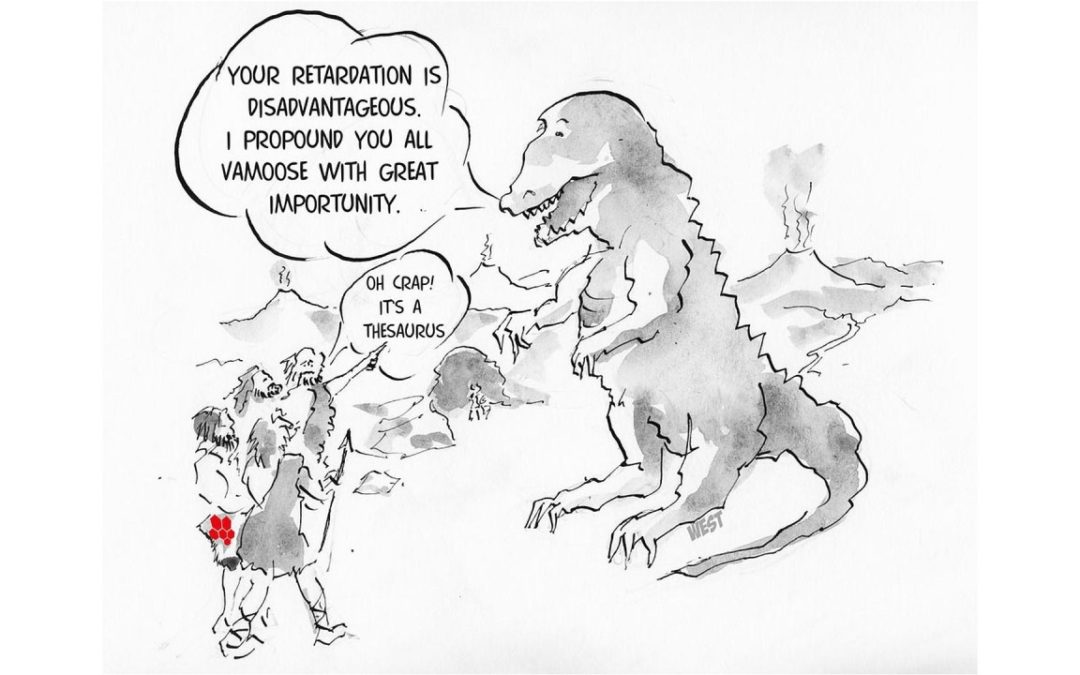
Final thought – don’t be a dinosaur
The idea that leadership is about giving instructions and expecting compliance belongs to a different era.
Today, performance depends on:
- shared understanding
- distributed accountability
- and people using their judgement well
Which means your role is not to be followed unquestioningly.
It’s to create an organisation that works – even when you’re not in the room.
And that’s a far more valuable kind of leadership.